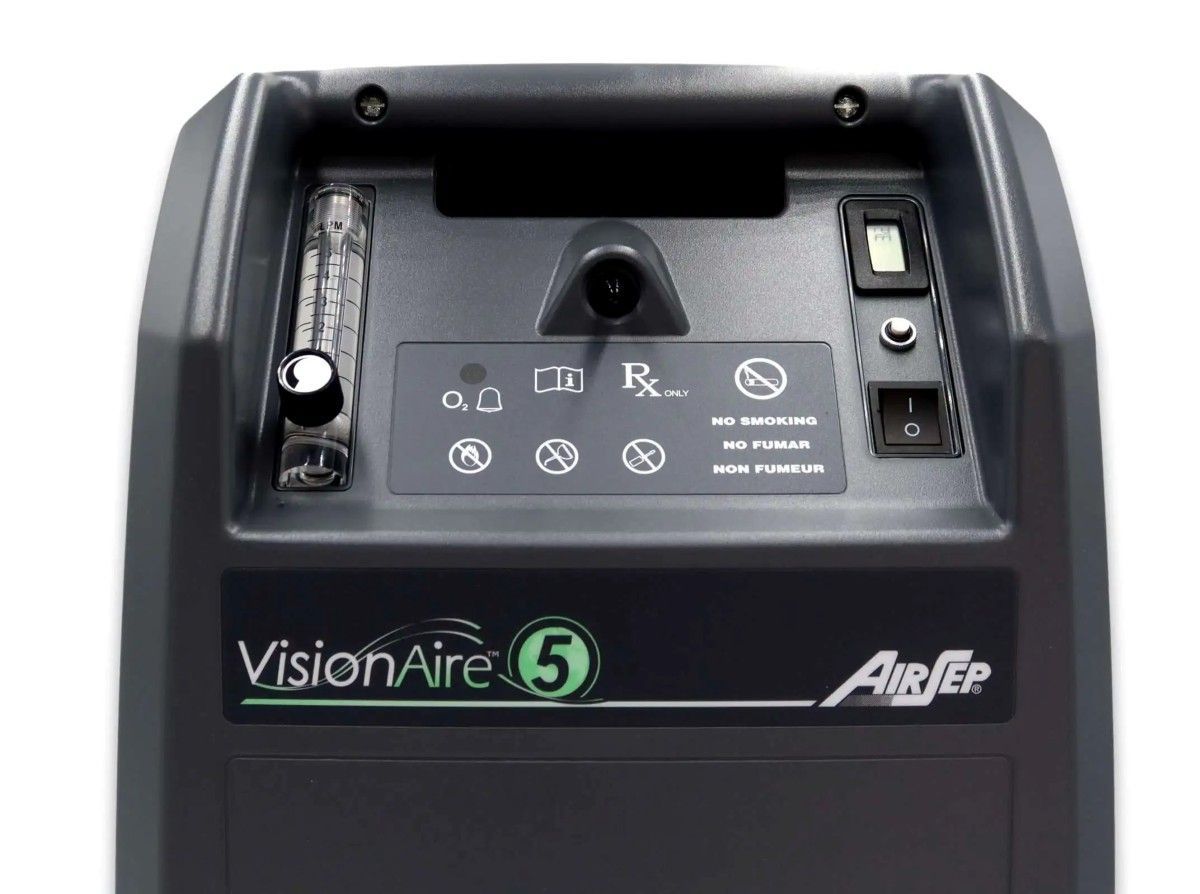
Before they commit to any oxygen concentrator for sale, they should check five practical things that matter most in real-world use.
What oxygen flow and purity does the user actually need?
When looking for an Oxygen Concentrator for sale, they should match the concentrator’s output to the prescription, not to a “best seller” badge. Most home units are designed for continuous flow (for example, up to 5 LPM), while some users may need higher flow or a different setup entirely.
Before choosing an Oxygen Concentrator for sale, they should also confirm the oxygen concentration range the unit maintains at the required flow rate. If purity drops too much at higher flows, the machine may not meet the user’s needs during activity or flare-ups.
Should they choose continuous flow or pulse dose?
They should choose based on how the user breathes and when oxygen is needed. Continuous flow delivers a steady stream and is often preferred for sleep, mouth breathing, or users who need oxygen even with shallow breathing.
Pulse dose delivers oxygen only when the unit detects an inhalation, which can save power and enable smaller portable devices. However, if the user’s breathing is too shallow, irregular, or primarily through the mouth, pulse detection can be unreliable. They should confirm clinical suitability before buying pulse-only models.
Will the concentrator work for portability, power, and daily routine?
They should check weight, battery runtime (if portable), charging time, and how the device fits into the places the user actually goes. A “portable” concentrator that lasts two hours may not work for long appointments or travel days.
They should also confirm power options: AC for home, DC for car use, and whether extra batteries are available and affordable. If the user lives in an area with outages, they should ask about backup options and whether the supplier can recommend a safe contingency plan.
What are the real costs, warranty terms, and service support?
They should look beyond the sticker price. Filters, cannulas, tubing, batteries, and periodic maintenance can add up quickly, especially for portable units.
They should check warranty length, what it covers (labor, parts, shipping), and who handles repairs. If service requires shipping the unit away for weeks, that is a major risk for someone relying on oxygen. Ideally, they should buy from a seller with clear support channels, accessible spare parts, and a realistic repair turnaround.
Is the unit safe, legitimate, and a good fit for the home setup?
They should verify the device is from a reputable manufacturer and sold through a credible channel. They should be cautious with extremely discounted listings that do not include documentation, serial numbers, or verifiable condition details.
They should also check practical home factors: noise level for sleep, heat output in small rooms, alarm functions, and the maximum tubing length supported without degrading delivery. If they are buying used or refurbished, they should confirm the unit’s hours of use, refurbishment process, and whether it was tested for oxygen purity under load.
Conclusion: What should they do before clicking “buy”?
They should confirm prescription requirements, choose the correct delivery mode, and make sure the unit fits the user’s daily routine. Then they should validate total cost, warranty, and service support, and only buy from a source that can prove the unit’s legitimacy and tested performance.
If they want a simple rule: the best oxygen concentrator for sale is the one that consistently meets the user’s required oxygen delivery, with reliable support behind it.
Related : Philips Everflo vs Other Oxygen Systems Compared
FAQs (Frequently Asked Questions)
What oxygen flow rate and purity should I look for when buying an oxygen concentrator?
You should match the concentrator’s oxygen flow output to your prescription, not just choose a popular model. Most home units provide continuous flow up to 5 LPM, but some users may need higher flow or different setups. Also, confirm the unit maintains adequate oxygen concentration at your required flow rate to ensure effective support during activity or flare-ups.
Should I choose a continuous flow or pulse dose oxygen concentrator?
Choose based on your breathing pattern and when you need oxygen. Continuous flow delivers a steady stream, ideal for sleep, mouth breathing, or shallow breathing. Pulse dose supplies oxygen only upon inhalation detection, which saves power and allows smaller devices but may be unreliable for shallow, irregular, or mouth breathers. Confirm clinical suitability before selecting pulse-only models.
How do I determine if an oxygen concentrator fits my portability and daily routine needs?
Check the device’s weight, battery runtime if portable, charging time, and how it fits into your daily activities. A portable unit lasting only two hours may not suffice for long outings. Also verify power options like AC for home use and DC for car use, availability and affordability of extra batteries, and backup plans if you live in areas prone to power outages.
What should I consider regarding costs, warranty, and service support when purchasing an oxygen concentrator?
Look beyond the initial price to include ongoing expenses such as filters, cannulas, tubing, batteries, and maintenance. Check warranty length and coverage details including labor, parts, and shipping. Understand who handles repairs and repair turnaround times; avoid units that require weeks of shipping for service. Opt for sellers with clear support channels and accessible spare parts.
How can I ensure the safety and legitimacy of an oxygen concentrator before buying?
Verify the device is from a reputable manufacturer sold through credible channels. Be cautious of heavily discounted listings lacking documentation or serial numbers. Evaluate practical factors like noise levels for sleep comfort, heat output in small spaces, alarm functions, and maximum tubing length without delivery degradation. For used or refurbished units, confirm usage hours, refurbishment processes, and tested oxygen purity under load.
What steps should I take before finalizing my purchase of an oxygen concentrator?
Confirm your prescription requirements precisely and choose the appropriate delivery mode (continuous flow or pulse dose). Ensure the unit suits your daily lifestyle and routines. Validate total costs including accessories and maintenance expenses. Review warranty terms and service support quality. Finally, purchase only from sources that can prove the unit’s legitimacy and performance through proper testing.
