Sleep Apnea

Home Sleep Study Melbourne vs Lab Test Which Is Right: A Current Look

Home Sleep Study Melbourne vs Lab Test Which Is Right: A Current Look

Choosing between a home sleep study and an in-clinic lab test can feel oddly high-stakes, especially when they are tired, snoring, or waking up unrefreshed. This guide compares the two options in practical terms, with Melbourne and broader Australian context in mind, so they can choose the test that fits their symptoms, budget, and timeline.

The phrase Home Sleep Study Melbourne vs Lab Test Which Is Right comes up so often because both tests can be “right”, just for different people. What matters is what the clinician is trying to diagnose, how complex the sleep problem looks, and how much detail is needed from the data.

What is the real difference between a home sleep study and a lab test?

A home sleep study is usually a simplified test done in their own bed using a portable device, while a lab test (polysomnography) is a fully monitored overnight study in a sleep clinic. In simple terms, home testing is convenient and targeted, and lab testing is comprehensive and closely supervised.

When people search Home Sleep Study Melbourne vs Lab Test Which Is Right, they are typically weighing comfort and speed against depth and certainty.

Who is a home sleep study best suited to?

A home sleep study is often best for adults with a high suspicion of obstructive sleep apnoea, especially if symptoms are straightforward. Typical signs include loud snoring, witnessed pauses in breathing, morning headaches, and significant daytime sleepiness.

In Melbourne, home studies are commonly used when a GP suspects sleep apnoea and wants a quicker, lower-cost pathway to results and treatment.

Who is a lab sleep test best suited to?

A lab test is usually best when symptoms suggest something more complex than straightforward obstructive sleep apnoea. It is also preferred when a clinician needs more channels of data, or when safety and supervision matter.

For many people asking Home Sleep Study Melbourne vs Lab Test Which Is Right, the deciding factor is complexity. If there are unusual night behaviours, possible seizures, suspected narcolepsy, or significant co-existing medical issues, a lab study often makes more sense.

What conditions can each test diagnose well?

Home studies are mainly designed to detect obstructive sleep apnoea and related breathing disturbances. Some devices estimate oxygen drops and breathing events reliably, but they do not usually capture the full picture of sleep stages or detailed brain activity.

Lab studies can assess breathing disorders plus other sleep problems, because they typically record brain waves, eye movements, muscle tone, heart rhythm, airflow, effort, oxygen, and sometimes video. That broader scope is why Home Sleep Study Melbourne vs Lab Test Which Is Right is not just about convenience, but also diagnostic range.

How accurate is a home sleep study compared with a lab test?

For moderate to severe obstructive sleep apnoea in otherwise uncomplicated adults, home testing can be very accurate when it is properly set up and interpreted by qualified clinicians. The main limitations are that home tests often cannot confirm actual sleep time with the same precision, and sensors can shift overnight.

Lab tests usually provide the most reliable, comprehensive dataset because technicians can fix issues in real time. People searching Home Sleep Study Melbourne vs Lab Test Which Is Right should think of home testing as accurate for the right question, and lab testing as the gold standard when uncertainty is higher.

What does each test measure, in plain language?

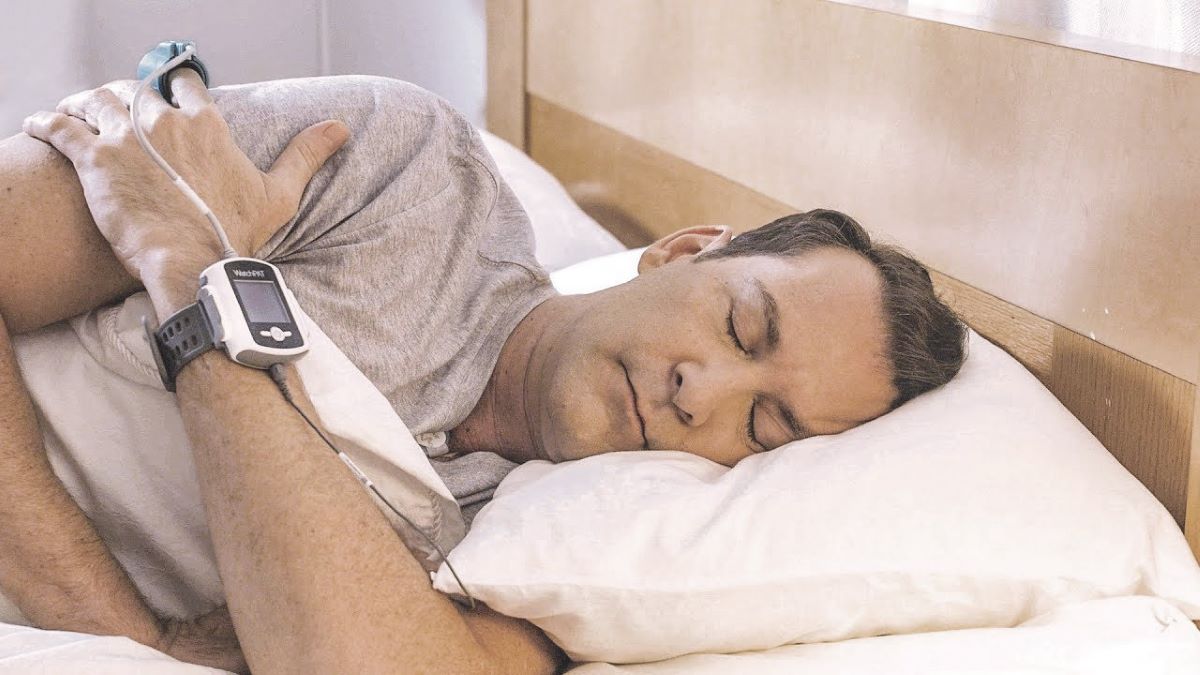
Home studies commonly measure breathing airflow, breathing effort, oxygen saturation, heart rate, and body position. Some add snoring intensity or actigraphy, depending on the device.

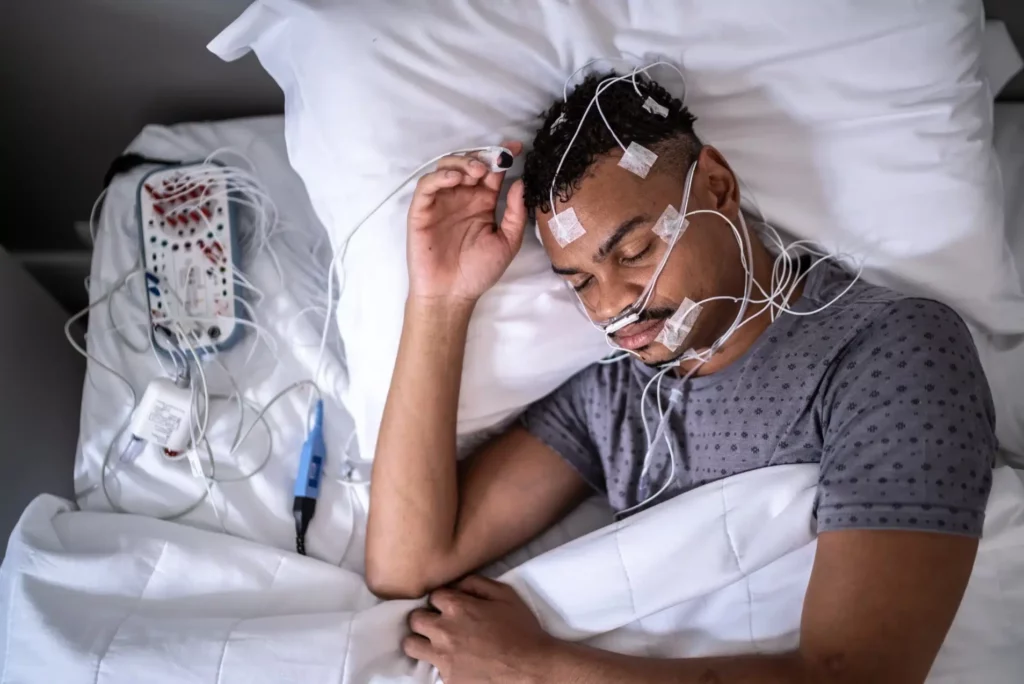
Lab studies add sleep staging through EEG, eye movement tracking, muscle activity, and often additional respiratory and cardiac channels. This is why Home Sleep Study Melbourne vs Lab Test Which Is Right often comes down to whether they need a focused breathing assessment or a full sleep architecture assessment.

How comfortable is each option for most people?

Home testing is usually more comfortable because they sleep in their own bed and follow their normal routine. That can reduce anxiety and make the night feel more natural, which some people prefer.

Lab testing is less familiar, with more sensors and a different environment. Still, most clinics aim for a hotel-like feel, and many people sleep enough for the data to be useful. When weighing Home Sleep Study Melbourne vs Lab Test Which Is Right, comfort matters, but it should not outweigh clinical need.
Home Sleep Study Melbourne

How fast can they usually get tested in Melbourne?

Home studies can often be arranged quickly, sometimes within days, depending on provider capacity and referral pathways. Many services allow device pickup, courier delivery, or assisted fitting, which speeds things up.

Lab tests can involve longer wait times due to limited bed availability and staffing. For Home Sleep Study Melbourne vs Lab Test Which Is Right, the timeline can be decisive if symptoms are impacting work, driving safety, or mental health.

What does the process look like from GP visit to results?

They typically start with a GP appointment, then a referral to a sleep physician or a sleep service that can arrange testing. For home testing, they receive the device, use it overnight, then return it for analysis and reporting.

For lab testing, they attend the clinic overnight and a sleep scientist monitors the recording. Results are then interpreted and discussed, usually at a follow-up consultation. People searching Home Sleep Study Melbourne vs Lab Test Which Is Right are often really asking, “Which pathway gets a clear answer with the least friction?”

What about costs, Medicare, and private health in Australia?

Costs vary widely by provider, inclusions, and whether the test is done through a public hospital, private clinic, or mixed model. Some lab studies and consultations may attract Medicare rebates when eligibility and item requirements are met, and private health may reduce out-of-pocket costs depending on their level of cover.

Home studies are often cheaper upfront, but pricing can shift depending on whether they include physician review, CPAP trials, or follow-up support. Anyone comparing Home Sleep Study Melbourne vs Lab Test Which Is Right should ask for a written quote that lists the test, reporting, consultations, and any equipment hire.

When is a home sleep study not appropriate?

Home testing may be unsuitable if there is significant cardiopulmonary disease, suspected hypoventilation, neuromuscular disorders affecting breathing, or complex sleep complaints. It may also be less suitable if prior home testing was inconclusive or technically inadequate.

If symptoms point to parasomnias, periodic limb movement disorder, narcolepsy, or seizure-like events, lab testing is often preferred. This is the clinical core of Home Sleep Study Melbourne vs Lab Test Which Is Right: matching the tool to the risk and the diagnostic question.

What practical issues can ruin a home sleep study night?

The most common problems are sensors coming loose, incorrect placement, or the device not recording properly. Some people also sleep poorly because they are thinking about the device, which can affect results.

Many services reduce this risk with clear instructions, phone support, and simple setups. For Home Sleep Study Melbourne vs Lab Test Which Is Right, it is worth asking what happens if the recording fails and whether a repeat night is included.

What practical issues can affect a lab study night?

Sleeping in a new environment can reduce sleep time, and the number of sensors can feel intrusive. That said, technicians can correct sensors quickly, and most people still get enough sleep for valid data.

Some lab studies also include split-night protocols, where CPAP is introduced mid-study if sleep apnoea is clear. When deciding Home Sleep Study Melbourne vs Lab Test Which Is Right, they should ask whether the clinic offers split-night studies where appropriate.

How do results affect CPAP access and treatment decisions?

If obstructive sleep apnoea is diagnosed, results can guide CPAP therapy settings, mask choice, and follow-up needs. Home study results often provide enough information to start treatment, particularly for moderate to severe cases, though some people need further titration or troubleshooting.

Lab studies can provide more detailed guidance, especially if there are mixed events, oxygen concerns, or uncertainties. For Home Sleep Study Melbourne vs Lab Test Which Is Right, the follow-through plan matters as much as the test itself.

What should they ask a provider before booking?

They should ask what the test is designed to diagnose, who interprets it, what is included in the cost, and how follow-up works. They should also ask how data quality is checked and whether repeat studies are charged if the recording is inadequate.

In Melbourne, it is also reasonable to ask about appointment lead times, device delivery options, and whether results are sent to their GP promptly. These questions help turn Home Sleep Study Melbourne vs Lab Test Which Is Right from a guess into a decision.
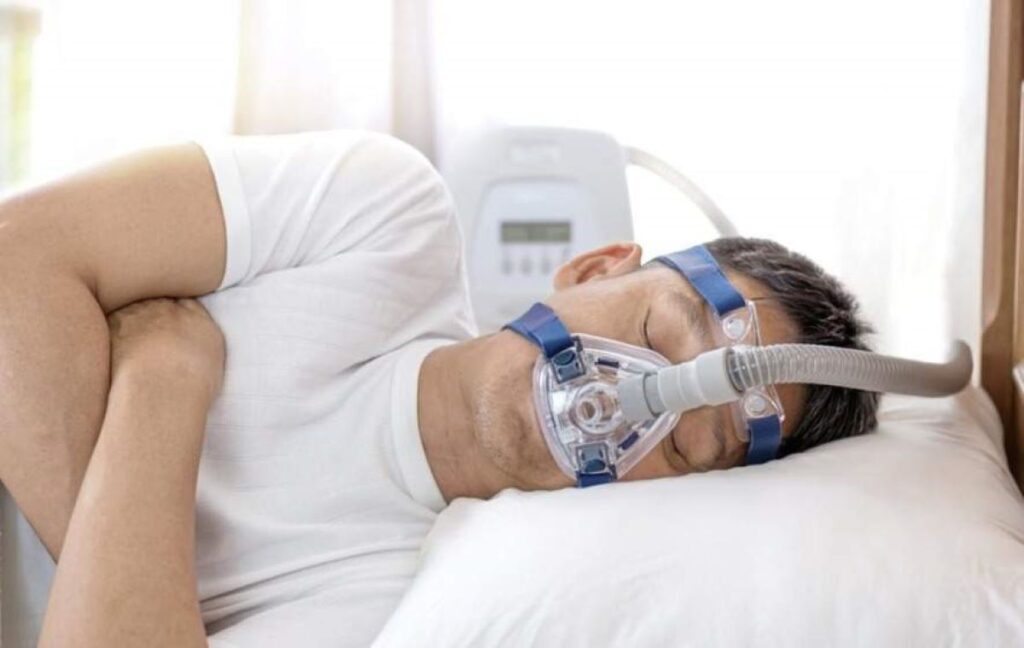
Home Sleep Study Melbourne

Which option is usually better for shift workers and parents?

Home studies often suit shift workers and parents because they can test on a night that fits their schedule and sleep opportunity. They can also keep their usual bedtime routine, which can matter when sleep time is already limited.

Lab tests can still work, but scheduling can be harder and the overnight absence from home can be disruptive. For many in this situation, Home Sleep Study Melbourne vs Lab Test Which Is Right leans home first, unless symptoms demand lab-level detail.

See Also : Bulk-Billed Sleep Study Melbourne: How to Access Free or Low-Cost Testing

How can they make either test night more likely to succeed?

They should follow their usual routine as much as possible, avoid excessive alcohol, and confirm medication instructions with their clinician. For home testing, they should apply sensors carefully and give themselves extra time before bed.

For lab studies, they should bring comfortable sleepwear and any usual items that help them sleep. Regardless of the choice, Home Sleep Study Melbourne vs Lab Test Which Is Right becomes easier when the recording is clean and representative.

So, which is right for most people right now?

For uncomplicated suspected obstructive sleep apnoea, a home sleep study is often the fastest, most convenient first step. For complex symptoms, safety concerns, or unclear prior results, a lab test is usually the better option.

In practice, Home Sleep Study Melbourne vs Lab Test Which Is Right is best answered by a clinician who can match symptoms and medical history to the right test. The goal is not the fanciest study, but the one most likely to produce a clear diagnosis and a workable treatment plan.

FAQs (Frequently Asked Questions)

What is the main difference between a home sleep study and a lab sleep test in Melbourne?

A home sleep study is a simplified, convenient test done overnight in your own bed using a portable device, mainly targeting obstructive sleep apnoea. In contrast, a lab sleep test (polysomnography) is a comprehensive, fully monitored overnight study conducted in a sleep clinic, capturing detailed data on various sleep parameters.

Who is best suited for a home sleep study versus a lab sleep test?

Home sleep studies are best for adults with straightforward symptoms of obstructive sleep apnoea such as loud snoring and daytime sleepiness. Lab sleep tests are more appropriate for individuals with complex symptoms, unusual night behaviours, suspected narcolepsy, or significant medical conditions requiring detailed monitoring and supervision.

How accurate is a home sleep study compared to an in-clinic lab test?

For moderate to severe obstructive sleep apnoea in uncomplicated adults, home sleep studies can be very accurate when properly conducted and interpreted. However, lab tests provide the gold standard accuracy due to real-time technician oversight and comprehensive data collection that includes brain activity and other physiological measures.

What conditions can each type of sleep test diagnose effectively?

Home sleep studies primarily detect obstructive sleep apnoea and related breathing disturbances by measuring airflow, oxygen levels, heart rate, and body position. Lab tests diagnose a broader range of conditions including complex breathing disorders, seizures during sleep, narcolepsy, and other neurological or cardiac issues by recording brain waves, muscle activity, eye movements, and more.

How do comfort levels compare between home sleep studies and lab tests?

Home sleep studies generally offer greater comfort as they allow you to sleep in your own bed following your normal routine, reducing anxiety. Lab tests involve sleeping in an unfamiliar clinical environment with more sensors attached. Despite this, clinics strive to create comfortable settings to ensure quality data collection.

What are the typical timelines and costs associated with home versus lab sleep testing in Melbourne?

Home sleep studies can often be arranged quickly within days through device pickup or courier delivery, making them faster for those needing prompt assessment. Lab tests may have longer wait times due to limited clinic availability. Costs vary depending on provider and setting; some lab tests attract Medicare rebates or private health fund coverage while home studies tend to be less expensive upfront but pricing depends on included services.
Posted by Isaac Callinan in Sleep Apnea, 0 comments
Bulk-Billed Sleep Study Melbourne: How to Access Free or Low-Cost Testing

Bulk-Billed Sleep Study Melbourne: How to Access Free or Low-Cost Testing

A bulk-billed sleep study Melbourne offers patients the opportunity to undergo comprehensive sleep disorder testing without facing out-of-pocket expenses. These diagnostic assessments play a critical role in identifying conditions like obstructive sleep apnea, which affects thousands of Australians and can lead to serious health complications if left untreated.

Sleep studies measure breathing patterns, oxygen levels, and sleep quality throughout the night, providing physicians with essential data to diagnose and treat sleep disorders effectively. With bulk-bill sleep study Melbourne options available through Medicare, eligible patients can undergo testing at no out-of-pocket cost when they meet specific clinical criteria.

Melbourne residents experiencing symptoms such as chronic snoring, daytime fatigue, or interrupted breathing during sleep can access these bulk-billed sleep studies at multiple clinics across the city. This affordable testing approach eliminates financial barriers that might otherwise prevent individuals from seeking timely medical evaluation. With a valid referral from a general practitioner, qualified patients can receive high-quality diagnostic services without the burden of substantial medical expenses.

What Is a Bulk-Billed Sleep Study?

Bulk billing is a payment arrangement where healthcare providers bill Medicare directly for medical services, meaning patients pay nothing out-of-pocket. When applied to sleep studies, this system allows eligible individuals to undergo diagnostic testing for sleep disorders without facing financial barriers that might otherwise delay or prevent treatment.

Who Is Eligible for Bulk-Billed Sleep Studies?

Medicare eligibility for bulk-billed sleep studies depends on meeting specific clinical criteria. Patients must demonstrate symptoms consistent with obstructive sleep apnea (OSA) or other sleep disorders. The sleep study criteria Melbourne providers typically assess includes:

  • Witnessed breathing pauses during sleep
  • Loud, persistent snoring
  • Excessive daytime sleepiness measured by the Epworth Sleepiness Scale (ESS)
  • Morning headaches or dry mouth upon waking
  • Difficulty concentrating or memory problems

How Does Medicare Cover Sleep Studies?

Medicare covers the full cost of sleep studies for patients who meet these clinical thresholds. The system operates through the Medicare Benefits Schedule (MBS), which sets specific item numbers for different types of sleep testing. Patients must have a valid referral from a general practitioner or specialist who has assessed their symptoms and determined that diagnostic testing is medically necessary.

Benefits of Bulk-Billed Sleep Studies

The bulk billing arrangement removes the financial burden from patients while ensuring sleep physicians receive appropriate compensation through Medicare rebates. This model makes essential diagnostic services accessible to Australians who might otherwise struggle to afford private sleep testing fees.

How Can Patients Get a Referral for a Bulk-Billed Sleep Study?

Can I access a bulk-billed sleep study without seeing a doctor first?

No, all bulk-billed sleep studies in Melbourne require a doctor referral. Visiting your general practitioner represents the essential first step in the referral process, as they assess your symptoms and determine whether a sleep study Melbourne is clinically necessary.

What symptoms indicate I need a sleep study referral?

Your doctor will evaluate specific warning signs that suggest a sleep disorder requiring investigation. Common symptoms prompting a doctor referral include:

  • Loud, persistent snoring reported by a partner
  • Witnessed breathing pauses during sleep
  • Excessive daytime tiredness despite adequate sleep hours
  • Morning headaches or dry mouth upon waking
  • Difficulty concentrating or memory problems
  • Restless sleep with frequent awakenings

How does the referral process work?

Your GP conducts a symptom evaluation during your appointment, often using standardized questionnaires to measure daytime sleepiness severity. If your symptoms meet clinical criteria, they complete a referral form detailing your medical history and specific concerns.

You then submit this referral form directly to your chosen sleep clinic, either by email, fax, or through their online portal. Most Melbourne providers process referrals within 48 hours and contact you to schedule your sleep study. The referral remains valid for 12 months from the date of issue.

bulk-bill sleep study Melbourne

Where Are Bulk-Billed Sleep Studies Conducted in Melbourne?

Several bulk-billed clinics operate across the metropolitan area of Melbourne, providing accessible sleep testing services for eligible patients. These facilities offer both in-lab and at-home testing options to accommodate different patient needs and preferences.

Major providers include:

  • Sleep Solutions Australia – Operates multiple locations throughout Melbourne, offering comprehensive sleep assessments with experienced sleep physicians
  • Sleep and Lung Care – Provides specialized respiratory and sleep disorder diagnostics with bulk-billing options for referred patients
  • ResMed Melbourne stores – Located in various suburbs, these clinics combine diagnostic services with equipment provision and ongoing support

The choice between in-lab and at-home testing depends on the complexity of suspected sleep disorders. In-lab polysomnography involves spending a night at a sleep clinic where technicians monitor multiple physiological parameters in a controlled environment. This method provides the most comprehensive data for complex cases or when multiple sleep disorders are suspected.

At-home sleep studies use portable monitoring devices that patients wear while sleeping in their own beds. These devices track essential metrics like breathing patterns, oxygen levels, and sleep position. Home testing suits patients with straightforward symptoms of obstructive sleep apnea and offers greater convenience without compromising diagnostic accuracy for many cases.

Most bulk-billed clinics in Melbourne provide both testing options, with the referring doctor’s assessment determining which method best suits each patient’s clinical presentation. For instance, in-lab studies might be more suitable for complex cases, whereas at-home studies could suffice for less complicated conditions.

What Happens During a Bulk-Billed Sleep Study?

What testing methods are used in bulk-billed sleep studies?

Bulk-billed sleep studies use two primary approaches: in-lab polysomnography and home sleep test devices. An in-lab sleep study requires patients to spend the night at a specialized sleep clinic where technicians attach sensors to monitor various body functions throughout the sleep cycle. A home sleep test allows patients to conduct overnight monitoring in their own bedroom using portable equipment that records essential sleep data.

What parameters does the study measure?

Both testing methods track critical indicators of sleep health:

  • Breathing patterns including pauses, shallow breathing, and oxygen levels
  • Sleep quality through brain wave activity (in-lab only)
  • Heart rate and rhythm variations
  • Body position and movement during sleep
  • Snoring intensity and frequency

How long does a sleep study take?

An in-lab sleep study typically requires one full night at the clinic, usually from evening until morning (approximately 8-10 hours). Patients arrive about two hours before their normal bedtime for sensor placement. A home sleep test spans 1-3 nights of recording, depending on the provider’s protocol and the quality of data captured during initial nights.

How Are Results Managed After a Bulk-Billed Sleep Study?

Who analyzes and interprets sleep study results Melbourne?

Qualified sleep physicians review all data collected during your study, examining breathing patterns, oxygen levels, and sleep architecture. These specialists prepare a detailed report outlining any diagnosed conditions, severity levels, and recommended treatment pathways. Your general practitioner receives this comprehensive analysis within 7-14 days, allowing them to discuss findings during your follow-up appointment. Read more about Breathing to reduce stress.

What follow-up care options are available after diagnosis?

Patients diagnosed with sleep disorders access various support services depending on their provider:

  • GP consultations to review results and discuss treatment options
  • Specialist referrals for complex cases requiring advanced management
  • Sleep coach sessions offered by providers like ResMed at no additional cost
  • CPAP therapy setup and training if obstructive sleep apnea is confirmed
  • Ongoing monitoring appointments to track treatment effectiveness

Many Melbourne clinics include free follow-up consultations as part of their bulk-billed service package. Sleep coaches provide practical guidance on lifestyle modifications, equipment use, and symptom management. These sessions help patients understand their diagnosis and adapt to prescribed treatments, particularly when starting CPAP therapy for the first time.

How long does the results process take?

Most providers deliver sleep study results Melbourne within two weeks of testing. Urgent cases may receive expedited analysis, while routine studies follow standard processing timelines. Your referring doctor schedules a follow-up consultation once they receive the physician’s report.

Why Is Bulk Billing Important for Patients Seeking Sleep Testing?

Does bulk billing make sleep testing more accessible?

Bulk-Billed Sleep Study Melbourne services eliminate out-of-pocket costs that might otherwise prevent patients from seeking diagnosis. A standard sleep study can cost between $500-$1,500 without Medicare coverage, creating significant financial barriers for many Australians experiencing symptoms of obstructive sleep apnea.

Medicare coverage benefits extend to eligible patients who meet clinical criteria, transforming what would be an expensive diagnostic procedure into a cost-free sleep study Melbourne option. This accessibility proves particularly valuable for patients managing multiple health conditions or those on fixed incomes who require timely diagnosis. The removal of financial obstacles means patients can pursue testing based on medical necessity rather than their ability to pay, leading to earlier detection and treatment of potentially serious sleep disorders that affect cardiovascular health, mental wellbeing, and daily functioning.

bulk-bill sleep study Melbourne

Conclusion

Sleep disorders like sleep apnea shouldn’t go undiagnosed because of cost concerns. If you’re experiencing persistent snoring, daytime fatigue, or interrupted breathing during sleep, talking to your GP is the first step toward better health.

Melbourne residents can access bulk-billed sleep study services through multiple providers, removing financial barriers to important diagnostic testing. The process starts with a simple consultation where your doctor evaluates symptoms and provides a referral if clinically appropriate.

There are free sleep testing options in Melbourne across various clinics, including Sleep Solutions Australia and ResMed locations. Taking action now could lead to discovering treatable conditions that impact your energy, heart health, and overall quality of life. Don’t let symptoms continue—find out how to access bulk-billed sleep study services and regain peaceful nights.

Posted by Isaac Callinan in Sleep Apnea, 0 comments
Sleep Apnea Machines: Types and Their Features

Sleep Apnea Machines: Types and Their Features

Sleep apnea is a common sleep disorder that affects millions of people worldwide. It causes interruptions in breathing during sleep, leading to a lack of oxygen supply to vital organs, including the brain. In severe cases, sleep apnea can result in serious health complications, including cardiovascular problems, high blood pressure, and even stroke. Fortunately, sleep apnea machines offer an effective solution to manage this condition. In this article, we will explore the different types of sleep apnea machines available and their unique features.

Understanding Sleep Apnea

Before we dive deeper into the various sleep apnea machines, let’s take a moment to understand what sleep apnea is and how it affects the body.

Sleep apnea is a common sleep disorder that affects millions of people worldwide. It is a condition characterized by interruptions in breathing or pauses in breathing during sleep. These episodes can occur multiple times per hour and can last from a few seconds to a minute. There are two main types of sleep apnea:

  • Obstructive sleep apnea (OSA): This is the most common type of sleep apnea and occurs when the muscles in the back of the throat fail to keep the airway open, despite efforts to breathe.
  • Central sleep apnea (CSA): This type of sleep apnea is less common and occurs when the brain fails to send the proper signals to the muscles that control breathing.

Symptoms and Risks of Sleep Apnea

The most common symptoms of sleep apnea include loud snoring, daytime sleepiness, fatigue, and headaches. However, many people with sleep apnea are unaware of their condition, as the interruptions in breathing often occur during deep sleep.

If left untreated, sleep apnea can have severe consequences, including an increased risk of heart disease, stroke, and other health complications. In addition, sleep apnea can lead to poor sleep quality, which can affect your mood, energy levels, and overall quality of life.

Diagnosing Sleep Apnea

To diagnose sleep apnea, a sleep specialist may recommend a sleep study to monitor your breathing and other vital signs during sleep. During the study, you will be hooked up to various sensors that will measure your heart rate, oxygen levels, and brain activity while you sleep. Based on the results of the study, the specialist can determine the severity of your sleep apnea and recommend the appropriate treatment option.

If you suspect that you may have sleep apnea, it is important to seek medical attention as soon as possible. With the right treatment, you can improve your sleep quality and reduce your risk of developing serious health complications.

Types of Sleep Apnea Machines

Sleep apnea is a common sleep disorder that affects millions of people worldwide. It’s a condition in which a person’s breathing is interrupted during sleep, leading to snoring, gasping, and other symptoms. Fortunately, there are several types of sleep apnea machines that can help alleviate these symptoms and improve sleep quality. Let’s take a closer look at the four main types of sleep apnea machines.

Continuous Positive Airway Pressure (CPAP) Machines

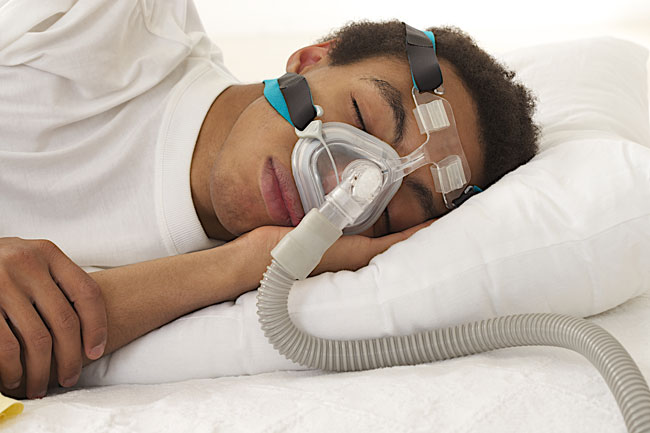
CPAP machines are the most common type of sleep apnea machines and are often considered the gold standard for treating sleep apnea. They work by using air pressure to keep your airway open during sleep. The machine consists of a mask that covers your nose and/or mouth, a hose, and a motor that produces the air pressure. CPAP machines are effective in treating mild to severe cases of sleep apnea and can significantly reduce snoring and daytime sleepiness.

Additionally, CPAP machines come in different styles, including nasal masks, full-face masks, and nasal pillows, making them a versatile option for individuals with different preferences and needs.

Bi-Level Positive Airway Pressure (BiPAP) Machines

BiPAP machines are similar to CPAP machines but provide two different levels of air pressure- one when inhalation occurs and another when exhalation occurs. This makes it an excellent option for individuals who have trouble exhaling against the pressure of a CPAP machine. BiPAP machines are also effective in treating severe cases of sleep apnea and can improve sleep quality and energy levels.

Automatic Positive Airway Pressure (APAP) Machines

APAP machines use a range of air pressures that automatically adjust to your breathing throughout the night. Unlike CPAP and BiPAP machines, which deliver a constant air pressure, APAP machines can vary the pressure based on your breathing patterns. This makes it an excellent option for individuals whose airway collapses or narrows only during certain parts of the night. APAP machines are also quieter than CPAP and BiPAP machines, making them a great option for light sleepers.

Adaptive Servo-Ventilation (ASV) Machines

ASV machines are the most advanced type of sleep apnea machines and are designed to treat complex sleep apnea, which involves a combination of obstructive and central sleep apnea. They use sophisticated algorithms to maintain a steady breathing rate by adapting to changes in your breathing patterns. This makes it an excellent option for individuals with central sleep apnea, which is caused by instability in the respiratory control center in the brain. ASV machines are also effective in treating severe cases of sleep apnea and can significantly improve sleep quality and overall health.

In conclusion, sleep apnea machines are a valuable tool for individuals with sleep apnea. By using air pressure to keep the airway open during sleep, these machines can significantly reduce snoring, improve sleep quality, and enhance overall health. If you think you may have sleep apnea, talk to your doctor about which type of sleep apnea machine is right for you. Want to learn some more about ASV Machines visit https://www.sleepfoundation.org/sleep-apnea/asv-machines

Features of Sleep Apnea Machines

Each type of sleep apnea machine comes with unique features that cater to individual needs. These machines are designed to help individuals with sleep apnea breathe easily and get a good night’s rest. Here are some additional details about the features of sleep apnea machines:

Pressure Settings and Adjustments

Most sleep apnea machines allow you to adjust the air pressure to suit your individual requirements. It’s essential to work with your sleep specialist and the manufacturer’s guidelines to determine the appropriate pressure level that works best for you. The pressure level can be adjusted based on your weight, sleep position, and other factors that may affect your breathing. The machine will deliver the proper amount of air pressure to keep your airway open, allowing you to breathe normally throughout the night.

Humidification Systems

Some sleep apnea machines come with built-in humidifiers to add moisture to the air you breathe, helping to reduce dryness in your throat and mouth. This can provide added comfort and reduce side effects such as nasal congestion. The humidification system works by adding moisture to the air, which can help to soothe dry nasal passages and prevent irritation. This feature is especially helpful for individuals who live in dry climates or who experience dryness due to medication use.

Noise Levels and Sound Reduction

Most sleep apnea machines produce some noise, but some models are quieter than others. Advanced noise reduction technology can make your sleeping environment more pleasant and comfortable. The noise level of the machine can be a significant factor in determining the quality of your sleep. Newer models of sleep apnea machines are designed to be quieter than older models, making them more comfortable to use. Additionally, some machines come with sound reduction features that can further reduce noise levels, allowing you to sleep more soundly.

Data Tracking and Connectivity

Many modern sleep apnea machines come with features that allow you to monitor your sleep quality, including information such as hours of use, mask leak rates, and other vital measurements. This data can be linked to an app or web-based platform to monitor long-term progress and ensure the right treatment plan. The data tracking feature is especially helpful for individuals who are just starting treatment for sleep apnea. It allows you to see how well the machine is working and make adjustments as needed to ensure that you are getting the best possible treatment.

In conclusion, sleep apnea machines are an essential tool for individuals with sleep apnea. They come with a range of features that can be customized to meet your individual needs and preferences. Whether you need a machine with adjustable pressure settings, a built-in humidifier, or advanced noise reduction technology, there is a sleep apnea machine that can help you get a good night’s rest.

Choosing the Right Sleep Apnea Machine

Choosing the right sleep apnea machine can be a daunting task. However, working with a sleep specialist can help you make the right decision. A sleep apnea machine, also known as a CPAP (continuous positive airway pressure) machine, is a device that helps individuals with sleep apnea breathe more easily and get a good night’s sleep.

Sleep apnea is a condition that causes individuals to stop breathing repeatedly during sleep. This can lead to a variety of health problems, including high blood pressure, heart disease, and stroke. A sleep apnea machine works by delivering a constant stream of air pressure through a mask that is worn over the nose and mouth. This air pressure helps to keep the airway open and prevent breathing interruptions. Learn more about sleep Apnea Machine Click here

Factors to Consider

When choosing a sleep apnea machine, there are several factors to consider. Comfort is a crucial consideration, as the machine will need to be worn for several hours each night. It’s important to choose a mask that fits well and is comfortable to wear. Some masks cover only the nose, while others cover the nose and mouth. There are also masks that fit over the entire face.

Portability is another factor to consider. If you travel frequently, you may want to choose a machine that is lightweight and easy to transport. Some machines are designed specifically for travel, and come with a carrying case.

The pressure range of the machine is also important. The pressure range refers to the amount of air pressure that the machine delivers. Different individuals may require different pressure settings, so it’s important to choose a machine that offers a wide range of pressure settings.

Finally, ease of use is a crucial consideration. You’ll want to choose a machine that is easy to set up and use. Some machines come with a variety of features, such as automatic pressure adjustment and built-in humidifiers.

Consultation with a Sleep Specialist

Consulting with a sleep specialist is an essential step in choosing the right sleep apnea machine. A sleep specialist can assess your individual needs and recommend the device most suitable for your condition. They can also work with you to adjust your sleep apnea machine’s settings to ensure maximum effectiveness.

In addition to recommending a sleep apnea machine, a sleep specialist can also provide advice on other lifestyle changes that can help alleviate sleep apnea symptoms. For example, losing weight, quitting smoking, and avoiding alcohol can all help to reduce the severity of sleep apnea.

Insurance Coverage and Costs

It’s essential to consider insurance coverage and costs when choosing a sleep apnea machine. Some insurance policies may cover the cost of the machine, while others may cover a percentage of the cost. It’s always worth checking with your provider about their coverage.

It’s also important to consider the overall cost of the machine, including any accessories that may be required, such as replacement masks or filters. While some machines may be more expensive than others, it’s important to choose a machine that meets your individual needs and provides effective treatment for sleep apnea.

Conclusion

Overall, sleep apnea machines provide an effective solution to manage sleep apnea. Choosing the right machine depends on individual needs, preferences, and budget. Whether you choose a CPAP, BiPAP, APAP, or ASV machine, working with a sleep specialist can help you select the most appropriate device for your condition. Remember, effective treatment of sleep apnea can help improve the quality of your sleep and overall health.

Posted by Isaac Callinan in Sleep Apnea, 0 comments