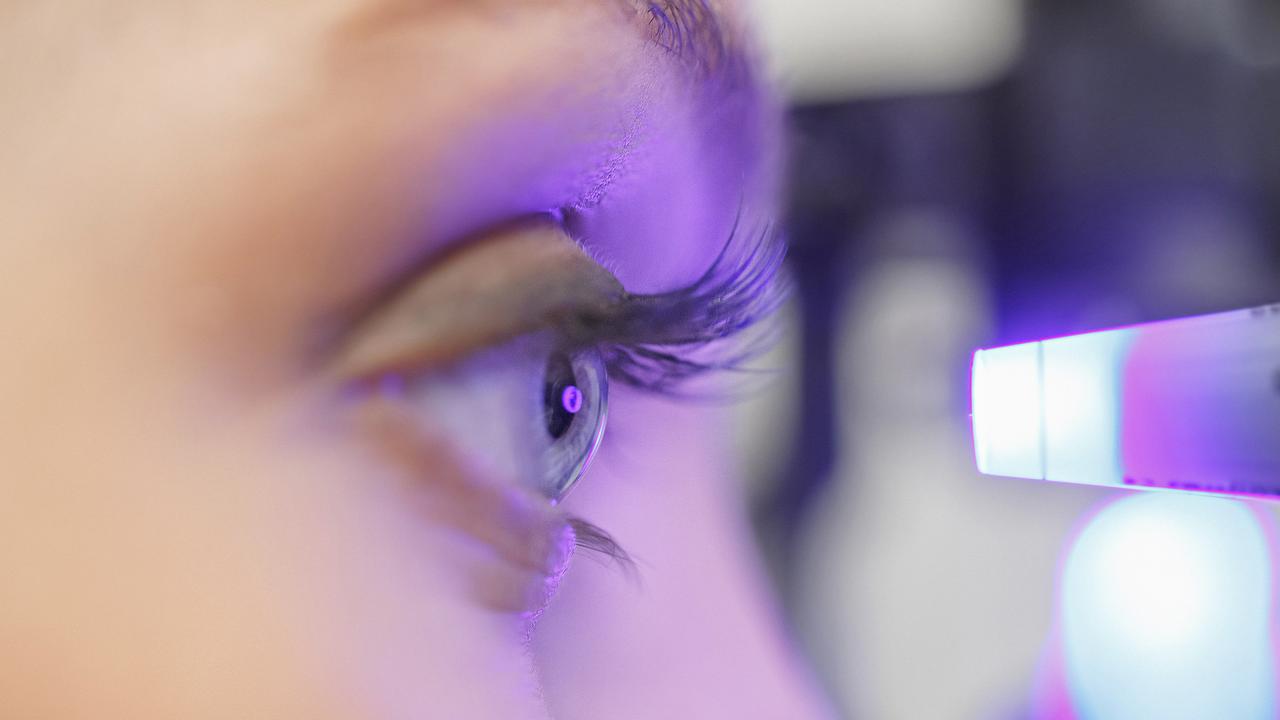
If you’re thinking about laser eye surgery, chances are you’ve come across three names again and again: LASIK, PRK, and SMILE. At first glance, they can sound confusingly similar. All three aim to improve vision and reduce dependence on glasses or contact lenses, yet they work in slightly different ways and suit different eyes and lifestyles.
As an eye care professional, one of the most common concerns I hear is, “How do I know which one is right for me?” The reassuring truth is that there’s no single “best” option for everyone. The right choice depends on your eyes, your prescription, and what matters most to you.
This guide explains the differences clearly and calmly, so you can understand your options and feel confident discussing them with your eye specialist.
Understanding Laser Eye Surgery at a Glance
Laser eye surgery is a type of refractive surgery. Its purpose is to reshape the cornea so light entering the eye focuses more accurately on the retina. When that focus improves, vision becomes clearer.
LASIK eye surgery, PRK, and SMILE all correct common refractive errors such as:
- Nearsightedness (myopia)
- Farsightedness (hyperopia)
- Astigmatism (to varying degrees)
What differs is how the cornea is accessed and reshaped, and how the eye heals afterward.
What Is LASIK Eye Surgery?
LASIK eye surgery is the most widely recognised form of laser vision correction. It has been performed for decades and continues to evolve with improved technology and safety measures.
LASIK works by creating a thin flap on the surface of the cornea. The underlying corneal tissue is then reshaped with a laser, and the flap is gently repositioned. Because the surface layer remains largely intact, healing is usually fast and comfortable.
How LASIK Eye Surgery Works (Step by Step)
Understanding the process often helps ease anxiety.
Step 1: Detailed Eye Assessment
Your eyes are carefully measured, including corneal thickness, shape, and prescription stability. This step determines whether LASIK is appropriate.
Step 2: Numbing the Eye
Eye drops are used to numb the surface. You remain awake, but discomfort is minimal.
Step 3: Creating the Corneal Flap
A precise laser creates a very thin flap on the cornea, which is gently lifted.
Step 4: Reshaping the Cornea
Another laser reshapes the exposed tissue beneath the flap to correct how light focuses.
Step 5: Flap Repositioning
The flap is placed back into position, where it naturally adheres without stitches.
The entire LASIK eye surgery process usually takes about 10–15 minutes for both eyes.
Who Is LASIK Suitable For?
LASIK eye surgery is often suitable for people who:
- Are over 18 years old
- Have stable vision for at least one year
- Have healthy eyes and adequate corneal thickness
- Want fast visual recovery
It’s particularly popular among people with active lifestyles who value quick healing and minimal downtime.
Benefits and Limitations of LASIK
Benefits
- Rapid visual improvement, often within 24 hours
- Minimal discomfort for most people
- Long track record and high satisfaction rates
Limitations
- Not suitable for very thin corneas
- Temporary dryness can occur
- Does not prevent age-related vision changes
What Is PRK (Photorefractive Keratectomy)?
PRK is the original form of laser eye surgery and remains an excellent option for many people. Unlike LASIK, PRK does not involve creating a corneal flap. Instead, the outer surface layer of the cornea is gently removed before laser reshaping begins.
Because there’s no flap, PRK can be a safer option for people with thinner corneas or those at higher risk of eye trauma.
How PRK Works
After the corneal surface layer is removed, a laser reshapes the underlying tissue in a similar way to LASIK. The surface layer then naturally regenerates over several days.
Healing takes longer than LASIK, but long-term vision outcomes are often comparable.
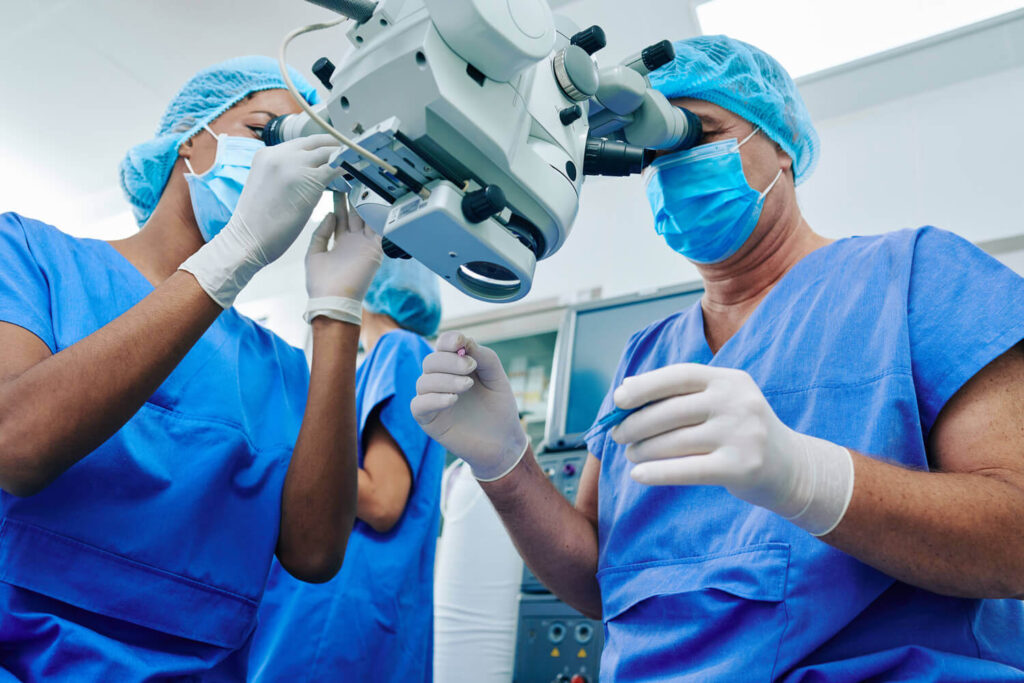
Who PRK May Be Better Suited For
PRK is often recommended for:
- People with thinner corneas
- Those with certain corneal irregularities
- Individuals in occupations or sports where eye impact is a concern
Benefits and Limitations of PRK
Benefits
- No corneal flap
- Suitable for thinner corneas
- Stable long-term results
Limitations
- Longer recovery period
- More discomfort during early healing
- Vision improves more gradually
What Is SMILE Laser Eye Surgery?
SMILE (Small Incision Lenticule Extraction) is a newer form of laser eye surgery. It uses a single laser to create a small disc of tissue inside the cornea, which is then removed through a tiny incision.
Because the surface of the cornea remains mostly intact, SMILE may reduce the likelihood of post-surgery dryness for some people.
How SMILE Works
A laser creates a small lenticule within the cornea. This lenticule is removed through a small opening, changing the shape of the cornea and improving vision.
No flap is created, and the incision is smaller than with LASIK.
Who SMILE Is Best Suited For
SMILE may be suitable for:
- People with moderate to high myopia
- Those concerned about dry eye symptoms
- Individuals seeking a minimally invasive option
SMILE is not suitable for all prescriptions, particularly some cases of farsightedness.
Benefits and Limitations of SMILE
Benefits
- Small incision and no flap
- Potentially lower risk of dry eye
- Strong corneal stability
Limitations
- Not suitable for all vision errors
- Slightly slower visual recovery than LASIK
- Less flexibility for enhancements
Safety and Success Rates Across All Three Procedures
LASIK eye surgery, PRK, and SMILE all have strong safety records when performed on suitable candidates. Advances in laser technology, detailed pre-surgery screening, and experienced surgeons have significantly improved outcomes over time.
Patient satisfaction is high across all three procedures when expectations are realistic and the chosen method matches the individual’s eye health and lifestyle.
Recovery Expectations: What’s Different?
LASIK Recovery
- Vision often improves within a day
- Minimal discomfort
- Quick return to daily activities
PRK Recovery
- Initial discomfort for several days
- Vision improves gradually over weeks
- Longer healing but stable long-term results
SMILE Recovery
- Mild discomfort
- Vision improves steadily over several days
- Less impact on the corneal surface
Choosing the Right Laser Eye Surgery for You
There is no universal “best” laser eye surgery. The right option depends on:
- Corneal thickness and shape
- Prescription type and strength
- Lifestyle and work demands
- Comfort with recovery time
A thorough consultation with an eye care professional is essential. Their role is not to push one option, but to guide you toward the safest and most effective choice for your eyes.
FAQs: LASIK vs PRK vs SMILE
How do doctors decide which laser eye surgery suits me?
Your eye specialist considers corneal thickness, prescription strength, eye health, and lifestyle needs. Detailed scans and measurements guide the recommendation. The goal is to choose the option that offers the safest correction and the most reliable long-term vision for your individual eyes.
Is LASIK eye surgery always better than PRK or SMILE?
LASIK eye surgery isn’t automatically better—it’s simply different. LASIK offers faster recovery, while PRK may suit thinner corneas, and SMILE may reduce surface disruption. Each method has strengths, and the “best” choice depends on your eye structure and personal priorities.
Does recovery time affect long-term results?
Recovery speed differs, but long-term vision outcomes are often similar across LASIK, PRK, and SMILE when performed on suitable candidates. Faster recovery doesn’t necessarily mean better results; it simply reflects how the eye heals after each technique.
Can I switch procedures if one isn’t suitable?
If LASIK isn’t suitable, PRK or SMILE may still be options. The procedures are not interchangeable on the same day, but alternative methods are often available after assessment. This flexibility helps ensure you still have safe vision correction choices.
Are enhancements possible with all three procedures?
Enhancements are possible with LASIK and PRK more commonly than with SMILE. The need for enhancement depends on healing response and vision stability. Your eye care provider will explain how likely adjustments are and which procedures offer the most flexibility if changes are needed.
