What is the Philips EverFlo, and who is it typically for?
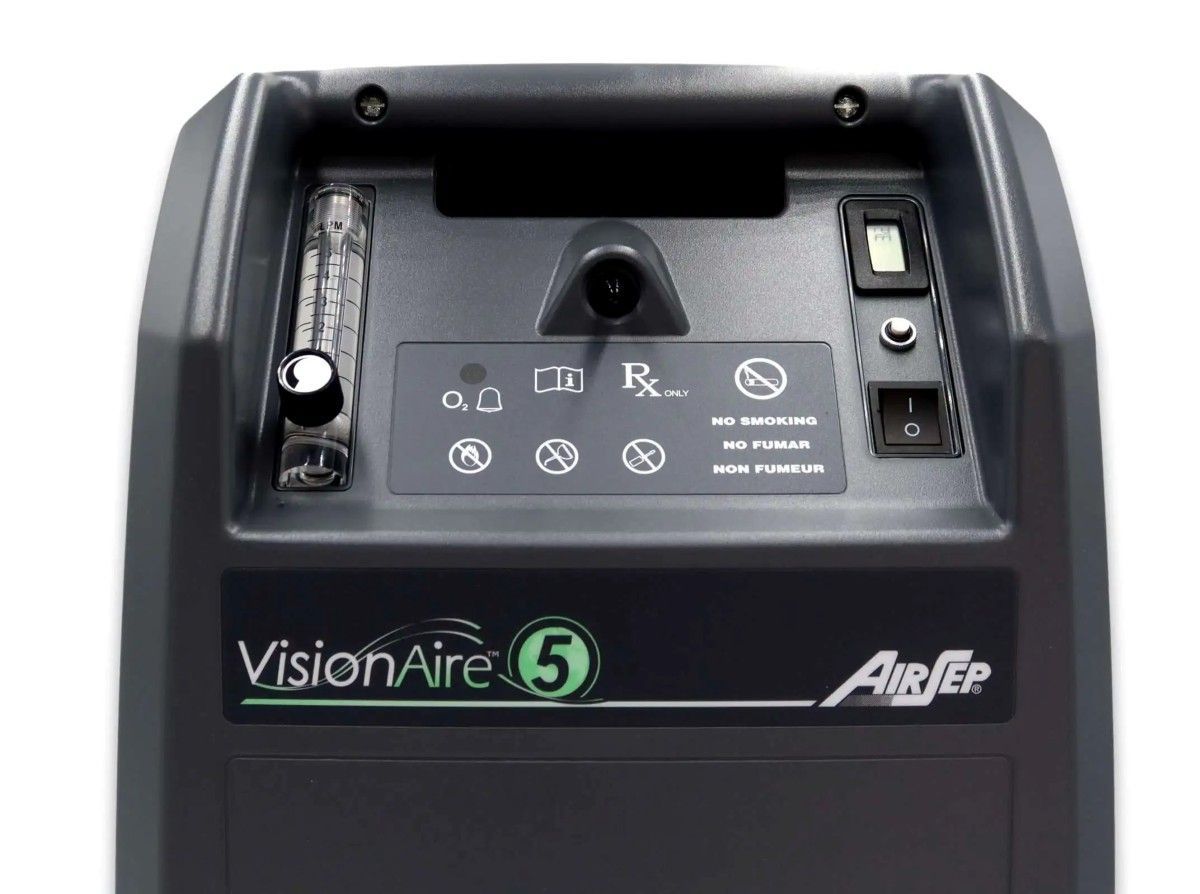
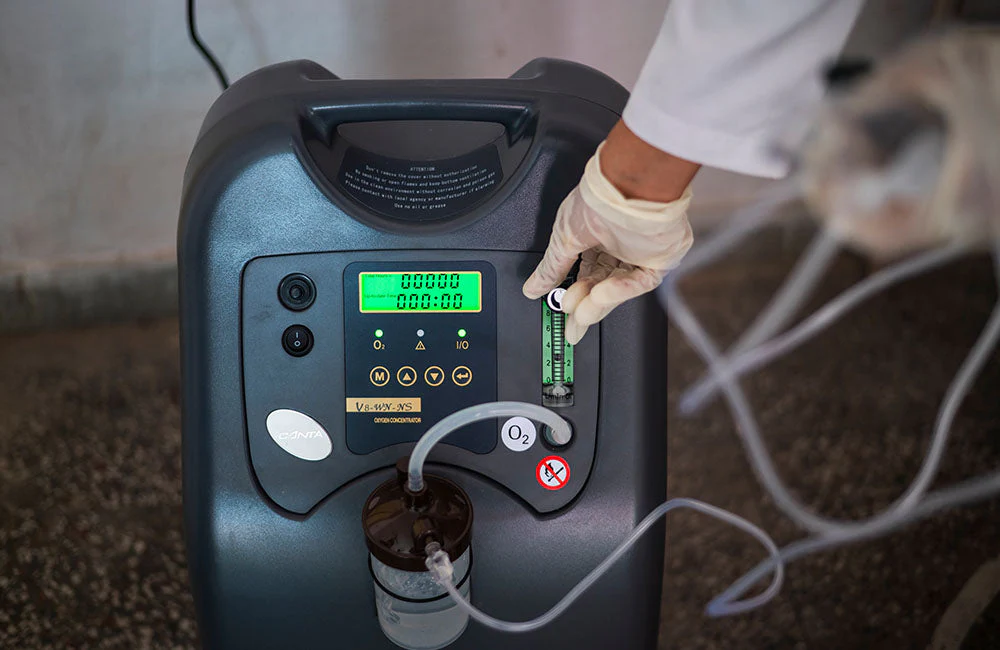
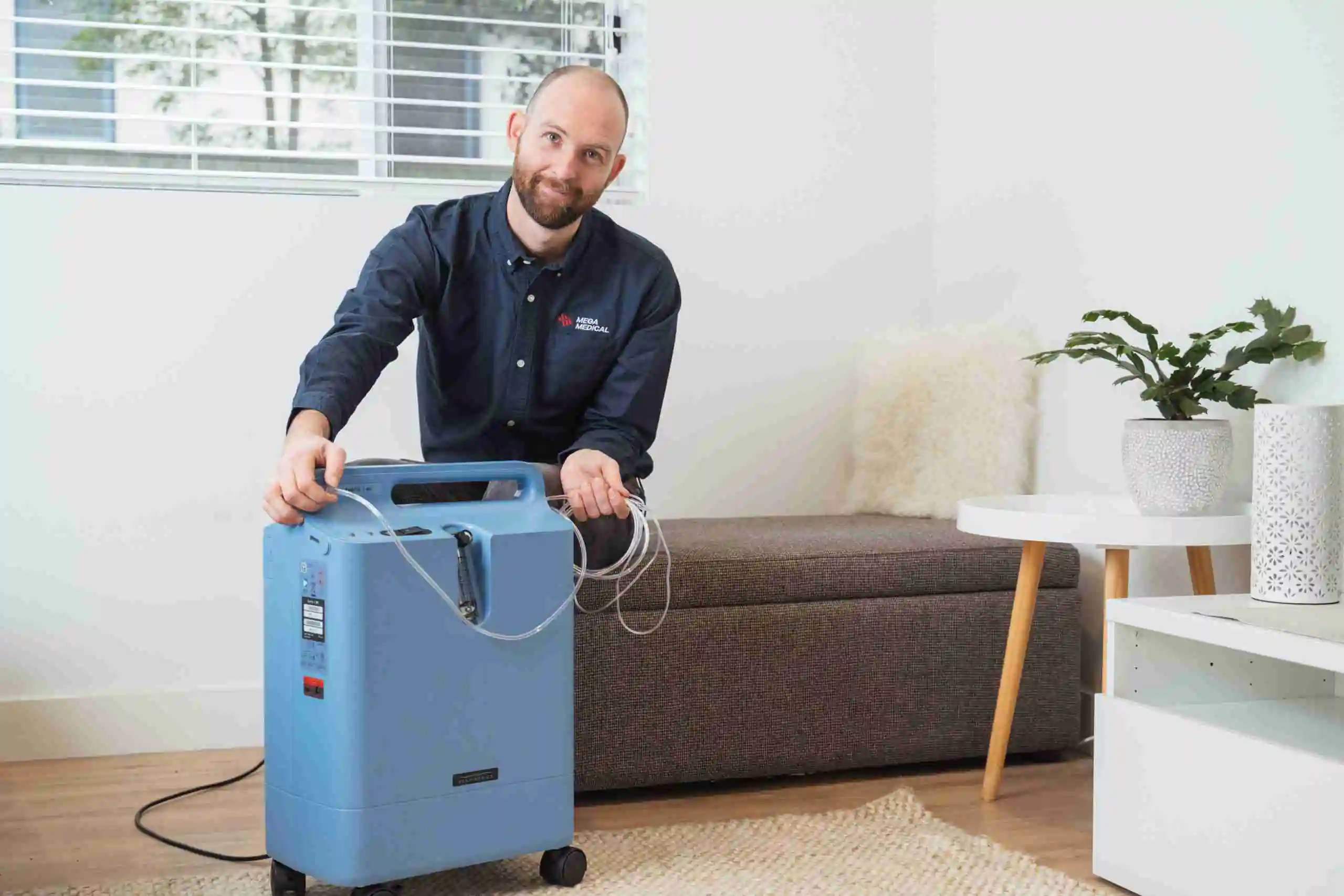
The Philips EverFlo is a stationary oxygen concentrator designed for in-home use, often chosen by people who need continuous oxygen without hauling heavy tanks. It is generally positioned as a compact, relatively quiet unit meant for daily, long-hour operation.
They will usually see EverFlo recommended for users who spend most of their time at home and want to reduce recurring cylinder deliveries.
How does the EverFlo compare to other stationary concentrators?
Compared with other stationary concentrators, philips everflo is best thought of as a mainstream, home-focused model rather than a high-output specialty unit. Many competing stationary units offer similar core performance, but differ in size, sound profile, filter design, and long-term service approach.
For buyers, the practical difference often comes down to how the device fits their space, how it sounds in a bedroom, and how easy it is to keep clean.
Is the EverFlo quieter than other oxygen systems?
EverFlo is often perceived as quiet for a stationary concentrator, which matters if they plan to sleep with it running nearby. That said, noise varies by model and age, and any concentrator can become louder if filters clog or the unit is placed too close to walls.
Compared to compressed gas cylinders, a concentrator creates steady mechanical noise, while tanks are silent but require refills and handling.
How does power usage compare between EverFlo and alternatives?
Stationary concentrators like EverFlo draw electricity continuously, which can affect their monthly energy costs. Some newer or smaller stationary models may be more power-efficient, but the real-world difference depends on flow settings, room temperature, and maintenance.
Compressed oxygen cylinders do not use electricity at all, but they shift the cost and hassle into deliveries, refills, and storage.
How does the EverFlo compare to portable oxygen concentrators (POCs)?
EverFlo is not portable in the way a POC is, so it usually loses on travel convenience but wins on simplicity for home use. POCs are built for mobility, battery operation, and car trips, but they can involve battery management and may not match a stationary unit’s continuous-use comfort.
If they rarely leave home, a stationary unit can feel easier. If they need oxygen outside the home often, a POC may be the more practical primary tool.
Is the EverFlo a better choice than oxygen tanks for home use?
For many households, EverFlo can be a better day-to-day home solution than tanks because it avoids frequent refills. It produces oxygen from room air, so they only need power and basic upkeep rather than deliveries.
Tanks can still make sense if they want a silent system, need backup for outages, or require a setup that does not depend on electricity.
What about backups, emergencies, and power outages?
A concentrator like EverFlo depends on power, so they should plan for outages. Many providers recommend keeping a backup oxygen cylinder even if they primarily use a concentrator.
Compared with other oxygen systems, this is where tanks still shine. They function during outages, while concentrators and most POCs need a battery plan or a generator strategy. You may like to visit https://www.industry.gov.au/publications/national-battery-strategy to get more about battery strategy.
How do maintenance and servicing compare across systems?
EverFlo and other concentrators typically require routine cleaning of external filters and keeping vents clear, plus periodic servicing through a provider. Their experience depends heavily on the supplier’s responsiveness and the device’s hours of use.
Oxygen cylinders require less device maintenance but more logistical maintenance, such as tracking remaining supply, scheduling deliveries, and moving heavy tanks safely.
What should they consider before choosing between EverFlo and other systems?
They should focus on lifestyle first, then match the system to it. Key questions include how many hours per day they use oxygen, whether they sleep with it, how often they leave home, and how comfortable they are managing batteries or deliveries.
It also helps to confirm prescription requirements, flow type needs, and supplier support, since the best device can still be frustrating with poor service.
Which option tends to be best for most people?
For users who are home most of the time, a stationary concentrator like the Philips EverFlo is often the simplest long-term setup. For users who are frequently out, a portable concentrator or a hybrid plan (stationary at home, portable outside) is usually more realistic.
If they are unsure, they can ask their clinician and oxygen provider to map a “home + away + backup” plan rather than picking a single device in isolation.
Related : Top 5 Things to Check Before Buying an Oxygen Concentrator for Sale
FAQs (Frequently Asked Questions)
What is the Philips Respironics EverFlo oxygen concentrator and who is it best suited for?
The Philips EverFlo is a stationary oxygen concentrator designed primarily for in-home use. It is ideal for individuals who require continuous oxygen therapy without the burden of transporting heavy tanks. Typically, it’s recommended for users who spend most of their time at home and want to minimize recurring cylinder deliveries.
How does the EverFlo compare to other stationary oxygen concentrators in terms of performance and usability?
EverFlo serves as a mainstream, home-focused stationary concentrator offering reliable core performance similar to many competing units. Differences among models often include size, noise levels, filter design, and long-term service needs. Choosing between them usually depends on how well the device fits the user’s living space, its sound profile—especially in bedrooms—and ease of maintenance.
Is the Philips EverFlo quieter than other oxygen delivery systems?
The EverFlo is generally considered quiet for a stationary oxygen concentrator, making it suitable for use during sleep. However, noise levels can vary depending on the model’s age and maintenance status; clogged filters or improper placement near walls can increase sound. Compared to compressed gas cylinders—which are silent but require refills—concentrators produce steady mechanical noise during operation.
How does the power consumption of the EverFlo compare with alternative oxygen systems?
Stationary concentrators like the EverFlo continuously draw electricity, which may impact monthly energy bills. While some newer or smaller models might be more energy-efficient, actual power usage depends on settings, ambient temperature, and upkeep. In contrast, compressed oxygen cylinders consume no electricity but involve costs and logistics related to deliveries and storage.
What are the advantages and disadvantages of using EverFlo versus portable oxygen concentrators (POCs)?
EverFlo excels as a simple, reliable stationary unit for home use but lacks portability. Portable Oxygen Concentrators (POCs) offer mobility with battery operation suitable for travel and outings but require battery management and may not provide continuous comfort like stationary units. Users who seldom leave home may prefer EverFlo, while those frequently outside might find POCs more practical.
Should I choose an EverFlo concentrator over traditional oxygen tanks for home therapy?
For many households, the EverFlo offers a convenient day-to-day solution by producing oxygen from room air, eliminating frequent tank refills and deliveries. However, oxygen tanks remain valuable as silent systems or essential backups during power outages since they don’t rely on electricity. A combined approach with both systems can ensure uninterrupted therapy.